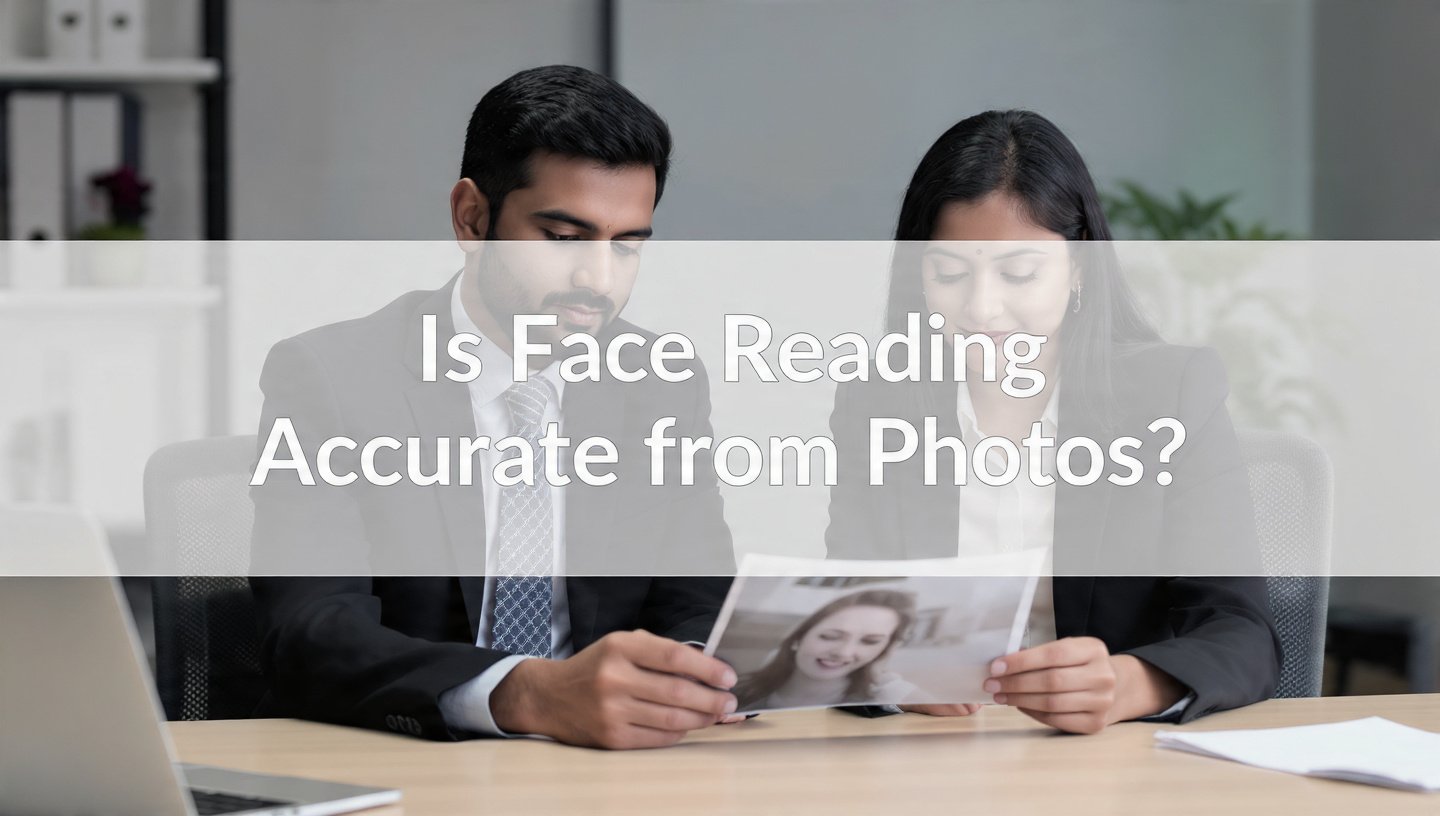
“Can someone really read my face from just a photo?”
“Is it accurate, or is it guessing?”
Let us talk about this slowly, honestly, and in very simple English,
using the rules of Samudrik Shastra.
What Samudrik Shastra says about face reading
Samudrik Shastra is an ancient Indian science.
It studies:
- face structure
- facial marks
- proportions
- natural expressions
It does not depend only on live talking.
According to Samudrik Shastra:
A face carries information even when it is still.
That means a photo can show many things.
So, is face reading from photos accurate?
The simple answer is:
Yes, but with limits.
Face reading from photos can be:
- partially accurate
- good for basic understanding
- helpful for patterns
But it is not the same as face-to-face reading.
What can be read accurately from photos
From a clear photo, Samudrik Shastra can identify:
- forehead shape
- eye placement
- nose structure
- lips shape
- face balance
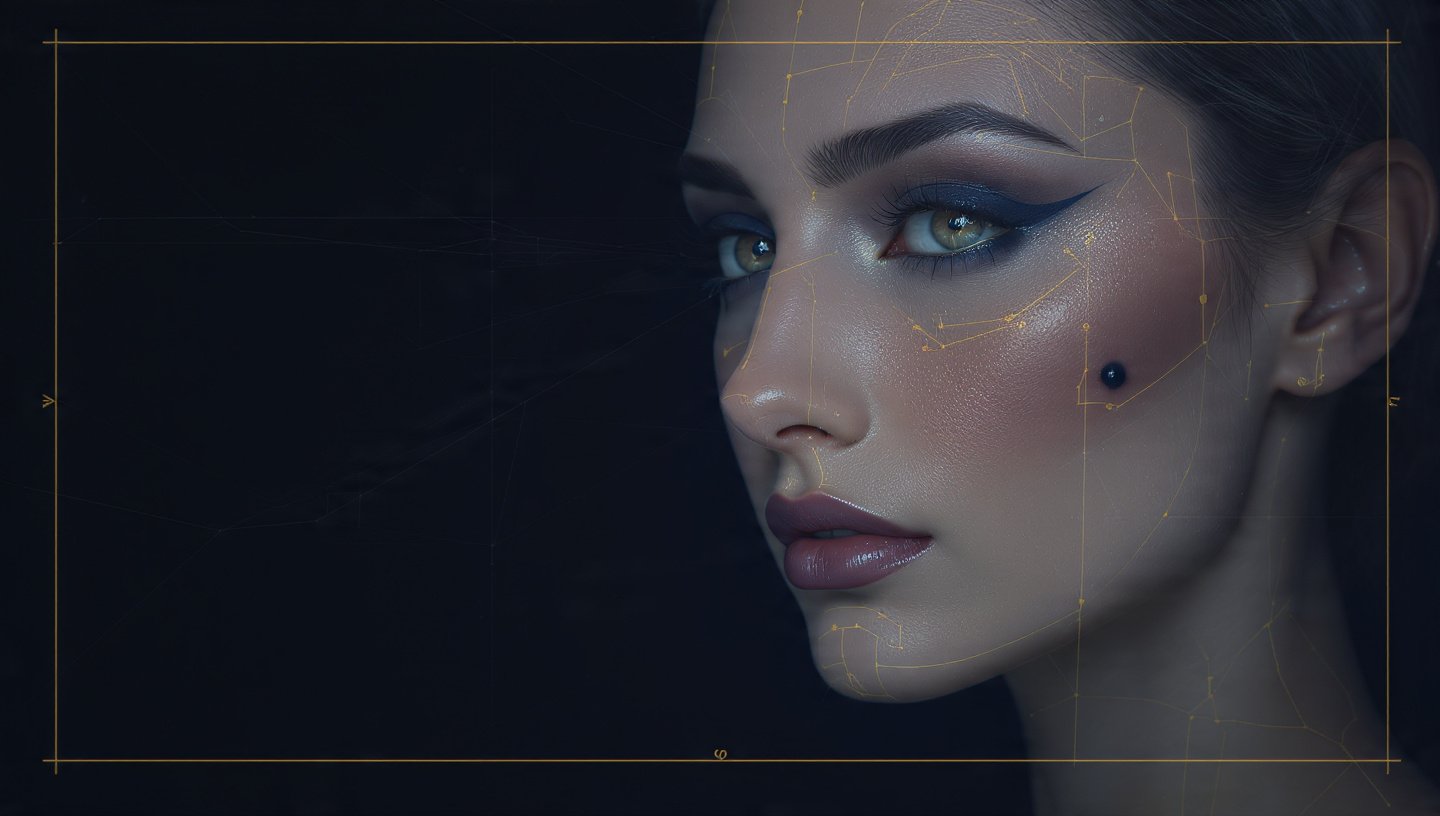
- moles and marks
These features are physical, so photos work well.
This helps understand:
- thinking style
- emotional nature
- confidence level
- decision patterns
What photos cannot show clearly
Photos have limitations.
They cannot fully show:
- live expressions
- energy movement
- emotional reactions
- voice and body flow
Samudrik Shastra also studies movement, not just shape.
That part needs live interaction.
Why many experts still use photos
Photos are very useful when:
- distance is long
- online sessions are needed
- first-level analysis is done
In fact, many accurate readings start with photos.
Even in ancient times, drawings were used.
So photos are not against tradition.
One photo or many photos?
This is very important.
One single photo gives limited clarity.
Multiple photos help much more:
- front face
- side face
- relaxed expression
Samudrik Shastra works best with natural, clear images.
Can photos predict future accurately?
Let us be very honest.
Photos do not predict future events.
Samudrik Shastra never predicts exact events.
It shows:
- tendencies
- strengths
- weaknesses
Future depends on actions.
Photos show nature, not destiny.
Why some photo readings feel wrong
There are three main reasons.
First, the photo is edited or filtered.
Second, the angle is wrong.
Third, the reader lacks true Samudrik knowledge.
Face reading needs deep training, not guessing.
Live reading vs photo reading
Photo reading is like:
- reading a book summary
Live reading is like:
- reading the full book
Both are useful, but depth changes.
Samudrik Shastra accepts both.
Does Samudrik Shastra allow photo reading?
Yes.
Samudrik Shastra clearly states:
Face structure carries life patterns.
Structure does not disappear in photos.
That is why photo-based reading is valid when done correctly.
A real-world example
Think about your old photos.
You can still see:
- when you were stressed
- when you were happy
- when you were confident
That means the face records life.
Samudrik Shastra reads these records.
Who should do photo-based face reading?
Only someone who:
- follows Samudrik Shastra
- avoids fear-based predictions
- explains limits honestly
One such practitioner is Ekta Desai,
who uses Samudrik Shastra with clarity and responsibility,
especially for online and photo-based readings.
Final clear answer
Let us say it in the simplest way.
Yes, face reading from photos can be accurate.
But it is accurate for understanding, not final judgment.
It helps you know yourself better.
It does not control your life.
Important advice before taking a photo reading
- Use clear, natural photos
- Avoid filters
- Keep expectations realistic
- Seek guidance, not predictions
Samudrik Shastra is for awareness, not fear.
Connect for Guidance
🌐 Website: https://ekta-desai.com/
📸 Instagram: https://www.instagram.com/ektadesai_facereader
📘 Facebook: https://www.facebook.com/EktaDesaiFacereader
▶️ YouTube: https://www.youtube.com/@ektadesaifacereader
Book an Appointment
👉 https://ekta-desai.com/book-appointment/
One last thought
A photo shows who you are today.
Your actions decide who you become tomorrow.
Face reading only helps you see clearly.